


Watering My Lawn
- Luxury Lawn Services
- Jun 25, 2022
- 2 min read
How Much?
As a rule, lawn grass needs about one inch of water per week. it will take your sprinklers about one hour to put out the required one inch of water per week. Establishing a good irrigation schedule will help you achieve your lawn's water requirements. Over-watering is just as detrimental to the health of your lawn as under-watering.
Signs of Under-Watering
· The grass turns yellow.
· The grass is limp.
· When you walk on the grass, it fails to bounce back up afterward.
Signs of Over-Watering
· The grass turns yellow.
· Bare spots develop in the lawn.
· Mushrooms are growing in the lawn.
· The turf has a spongey feel when you tread upon it.
· There is visible runoff.
How often?
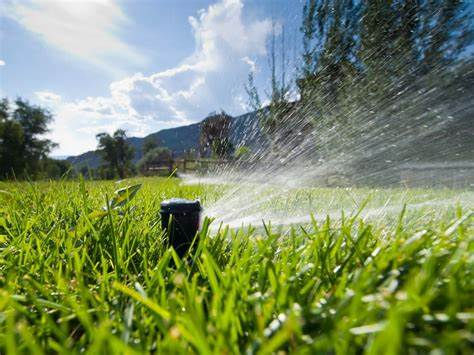
You can water for 30 minutes twice a week. Watering too frequently keeps roots too close to the surface. Less frequent watering encourages them to reach down deeper in search of water and a deeper root system is less susceptible to heat stress and pest damage. **Useful Tip** There is a simple way to measure how much water your grass is getting. Place a reservoir (a bowl, pan, empty plastic coffee container, etc.) on the lawn within the spray area of your sprinkler. Turn the sprinkler on and keep track of time. Turn the sprinkler off after 30 minutes and measure the water level in your reservoir. If you are not getting the projected half an inch, adjust your irrigation schedule accordingly, either increasing or decreasing watering time.
When to water?
The best time of day to water is early morning. When the sun is low in the sky, there will be less evaporation, giving the water a chance to seep down into the root zone. The grass blades will have all day to dry out before nightfall. The longer grass blades stay wet, the greater the chance they can succumb to fungal diseases. Do not water your lawn if rain is coming, it is currently raining, or it has just rained.
Reference
DAVID BEAULIEU
Published on 03/21/22
TheSpruce.com


Comments