


Taking Care of Your Plants during this Drought and Heat
- Luxury Lawn Services
- Jul 8, 2022
- 2 min read
How to Protect Your Plants from this Heat and Drought

Hot weather can be hard on your plants. Just like us, they need special care in extreme heat. Even with adequate watering and mulching, plants can suffer when the temperatures rise but there are a few things you can do to help protect plants from heat stress during the hottest part of the summer.
Water Correctly to Prevent Heat Stress in Plants
To keep your plants, cool in hot weather, you must ensure they don’t get too thirsty. Watering is essential when it’s hot, but watering correctly is far more important. Watering in the morning or early evening is the best for your garden. Giving them water midday is inefficient and most of it will evaporate before it gets to the roots.
Don’t Overwater
Too much water can cause damage to your plants as much as under watering can. Heat and sun exposure will cause leaf wilt, occurring because of transpiration, or when a plant releases moisture to protect itself in excessive heat. The leaves are wilting so there is less surface area for sun exposure. Resist the temptation to water and feel the soil for moisture first. Overwatering can lead to root rot or fungal diseases (when a plant is continuously overwatered, it can deprive the roots of oxygen and promote the growth of fungi in the soil). Don’t worry, your plants will bounce back when the sun goes down.
Add Mulch
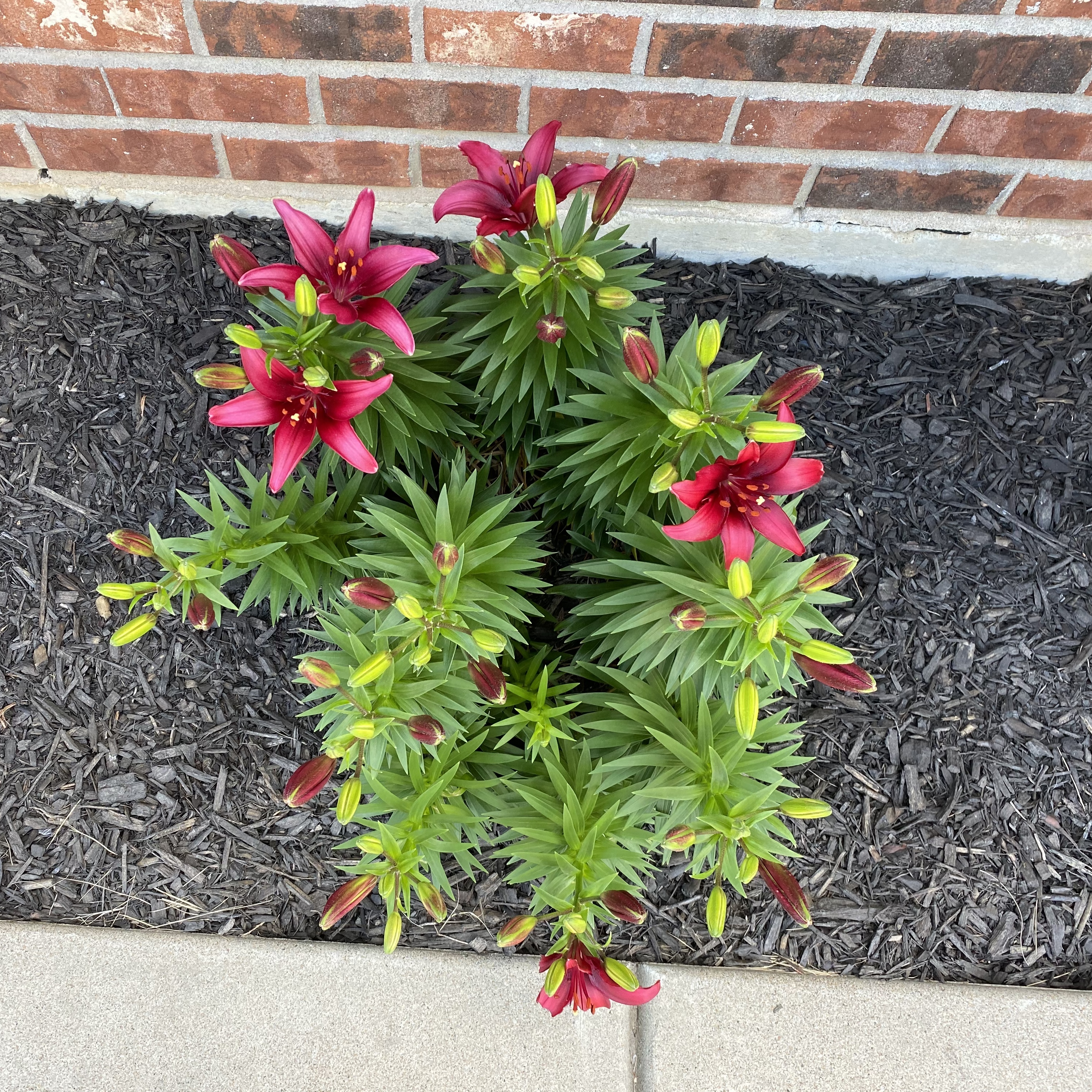
To protect plants from heat, consider adding mulch. A thick layer of mulch helps insulate the plant’s roots from both heat and cold. It will also help keep the soil moist. If your garden is prone to extreme temperatures, strive for at least 4-6 inches of mulch in your garden. Straw, pine needles, leaves, and grass clippings make good, inexpensive mulch. Lay it on thick; your plants will love you for it.
And most importantly…Take Care of Yourself
Most importantly, make sure you are taking the right safety precautions when out gardening in the heat. Skip the hottest part of the day when doing garden chores and instead head out to the garden in the morning and evening. Work in shorter increments and take regular breaks. Gardening in the summer at a much slower pace; listen to your body if you need to take a break and avoid heat stress.
Apply sunscreen, sun protection lip balm, and wear a hat. Like your plants, be sure to stay hydrated. Sweating will help cool your body down, but you need to keep your body replenished. Water is best for hydration, but you can also quench your thirst with a cool glass of sun tea or lavender lemonade!
References: GardenTherapy June


Comments