


Most Common Lawn Damaging Insects
- Luxury Lawn Services
- Jul 13, 2022
- 2 min read
How to Detect and Treat Common Lawn Pests
When your lawn is thick, healthy and green, it's one of the most inviting parts of your home landscape. But when your turf is brown and sickly due to pest invasion, it quickly loses its appeal. The best way to control lawn pests is to identify them correctly, get to know their life cycles and symptoms, then treat them promptly and properly at optimal times.
Some Pest that can cause serious damage to your lawn
Grubs (Beetle Larvae)
Among the most damaging of all lawn pests, white grubs are the larvae of a wide variety of scarab beetles, including masked chafers and Japanese beetles. In the spring, summer and early fall, these plump, C-shaped larvae feast on lawn grass roots just below the soil surface. In midsummer, adult beetles' mate and the female beetles eventually lay eggs in the soil. These eggs hatch in two weeks and the new grubs soon begin feeding on grass roots. By fall, with cold weather approaching, the maturing grubs burrow several inches into the soil and go dormant for winter. Grub symptoms include wilted grass blades, followed by brown turf patches and eventual death. Spongy, grub-damaged turf lifts easily off the soil in spring and summer to reveal grubs' underneath. One way to tell if you have grubs, If you see crows, skunks or moles feeding on your lawn, they are most likely searching for a grub meal.


Chinch Bugs
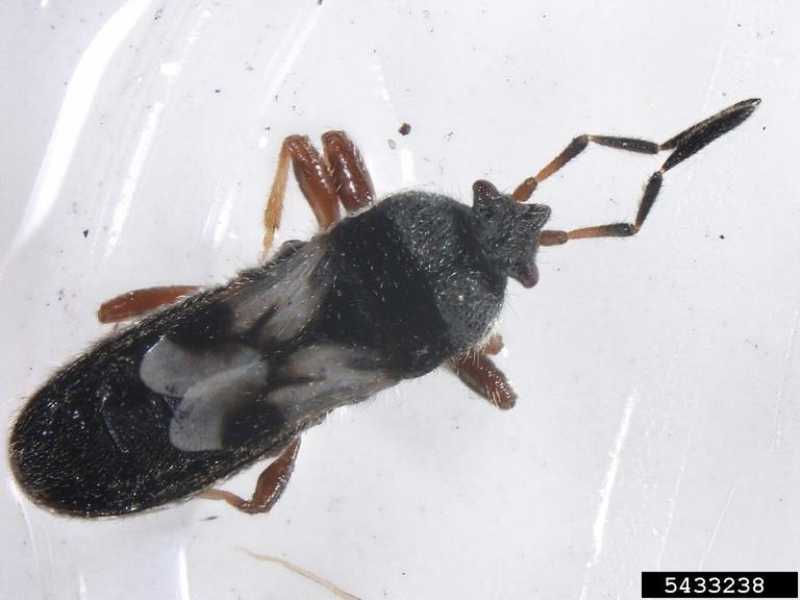
Chinch bugs are sap-sucking insects that feed on grass. Several types of chinch bugs cause lawn problems, including the hairy chinch bug commonly found across a wide range of the country. While feeding, chinch bugs secrete a substance that causes grass to stop absorbing water. As a result, the grass withers and dies. Chinch bugs lay eggs in grass and produce at least two generations from spring to early fall, when the weather begins to cool. Their eggs hatch in 20 to 30 days, and the young bugs soon begin feeding on the grass. The nymphs mature in four to six weeks and then mate, repeating the cycle of life. When the weather cools in fall, adult chinch bugs seek shelter at the base of grass stems, where they remain inactive until weather warms the following spring. Chinch bug damage to lawns is most visible from June to September, when the bugs are actively feeding. Irregular patches of turf first take on a purple tinge, and then wilt, yellow and turn brown. Due to the wilting and dryness of the grass, the damage is often mistaken for drought stress, but closer inspection will reveal the true culprit.

Final Advice
There are a variety of pest in our area that can do damage to your lawn. The best advice is to call a professional for an inspection and then they can provide you with ways to stop the damage. The best advice is to get regular pest control treatments on your lawn by a trusted professional.


Comments